
The historical evolution of casinos tracing the journey from ancient games to modern gaming hubs
The Origins of Gambling in Ancient Civilizations
The history of gambling dates back to ancient civilizations, where games of chance played a significant role in societal interactions. Archaeological evidence suggests that dice games were prevalent in Mesopotamia as early as 3000 BCE. These early games, often played during religious ceremonies, were believed to be a way to communicate with the gods, reflecting the intertwining of fate, luck, and spirituality. As these games evolved, they laid the groundwork for the complex gaming systems we see today. Additionally, you might want to check out empower-energy.co.uk for more insights into gaming developments.

In ancient China, gambling took on a new dimension with the invention of the game of Keno, which was used to fund the construction of the Great Wall. This demonstrates how gambling was not merely a pastime but also a means of supporting significant societal projects. Similarly, in ancient Rome, betting on gladiatorial games became a form of entertainment for the masses, illustrating how gambling was woven into the fabric of social life.
As civilizations expanded, so did the variety of games. From the Egyptians playing a board game called Senet to the Indian game of Pachisi, which involved elements of chance and strategy, the foundation for modern casino games was established. These ancient games showcased the human fascination with risk-taking and the thrill of uncertainty, themes that continue to resonate in today’s gaming environments.
The Emergence of Formalized Gaming Houses
The transition from informal gambling to organized casinos began in the 17th century, particularly in Italy with the establishment of the first official casino in Venice, known as the Ridotto. This venue provided a controlled environment where patrons could enjoy various card games. The Ridotto’s influence was substantial, leading to the proliferation of similar establishments across Europe. This period marked a significant shift, as gaming was no longer just a local pastime but a structured industry.
As casinos began to emerge, they adopted regulations to ensure fairness and to protect players. This formalization helped to attract a broader audience, including the aristocracy, who viewed gambling as a sophisticated form of entertainment. The casino model quickly spread throughout Europe, with cities like Monte Carlo and Baden-Baden becoming synonymous with luxury and high-stakes gambling.
The 19th century saw further developments with the introduction of iconic games such as roulette and baccarat. These games not only enhanced the casino experience but also created a mystique surrounding gambling that continues to attract players today. The combination of chance, strategy, and social interaction defined the casino landscape of this era, drawing in an eager clientele and establishing gambling as a reputable leisure activity.
The American Influence on Casino Culture
The landscape of casinos underwent a significant transformation in the United States during the 20th century. Las Vegas emerged as the epicenter of gambling in the 1940s, becoming a beacon for entertainment and gaming. The legalization of gambling in Nevada in 1931 paved the way for the development of glamorous casinos that featured lavish shows and high-stakes gaming tables. This era marked the beginning of casinos as multi-faceted entertainment hubs, not merely places for gambling.
As Las Vegas grew, so did its reputation as a tourist destination, attracting millions from around the world. The introduction of themed casinos in the 1990s further revolutionized the industry, with establishments like The Mirage and Excalibur offering immersive experiences that went beyond traditional gaming. This approach set the standard for future casinos, emphasizing the importance of creating a complete entertainment experience.
The American influence on gambling extended beyond Las Vegas, with states like New Jersey and Pennsylvania legalizing casinos to boost local economies. This expansion highlighted the adaptability of the casino industry, as venues began to cater to diverse audiences, including family-friendly environments and high-roller experiences. The combination of innovation and tradition continues to define American casinos today.
The Digital Revolution and Online Casinos
The advent of the internet in the late 20th century ushered in a new era for gambling, leading to the rise of online casinos. The first online casino, InterCasino, launched in 1996, marking the beginning of a digital transformation that would change the way people interact with gaming. Online casinos have made gambling accessible to a global audience, allowing players to enjoy their favorite games from the comfort of their homes.
Online gaming platforms have also embraced innovation, integrating advanced technologies such as live dealer games, which bring the authentic casino experience to the digital world. Players can engage with real dealers in real-time, creating an immersive atmosphere that replicates the excitement of traditional casinos. The convenience and variety offered by online casinos have contributed to their exponential growth in popularity.
Moreover, the rise of mobile gaming has further expanded the reach of online casinos. With the proliferation of smartphones, players can now access a vast array of games at any time and from any location. This evolution has not only made gambling more accessible but has also introduced new opportunities for game developers to create unique and engaging experiences tailored to the preferences of modern players.
The Future of Casino Gaming
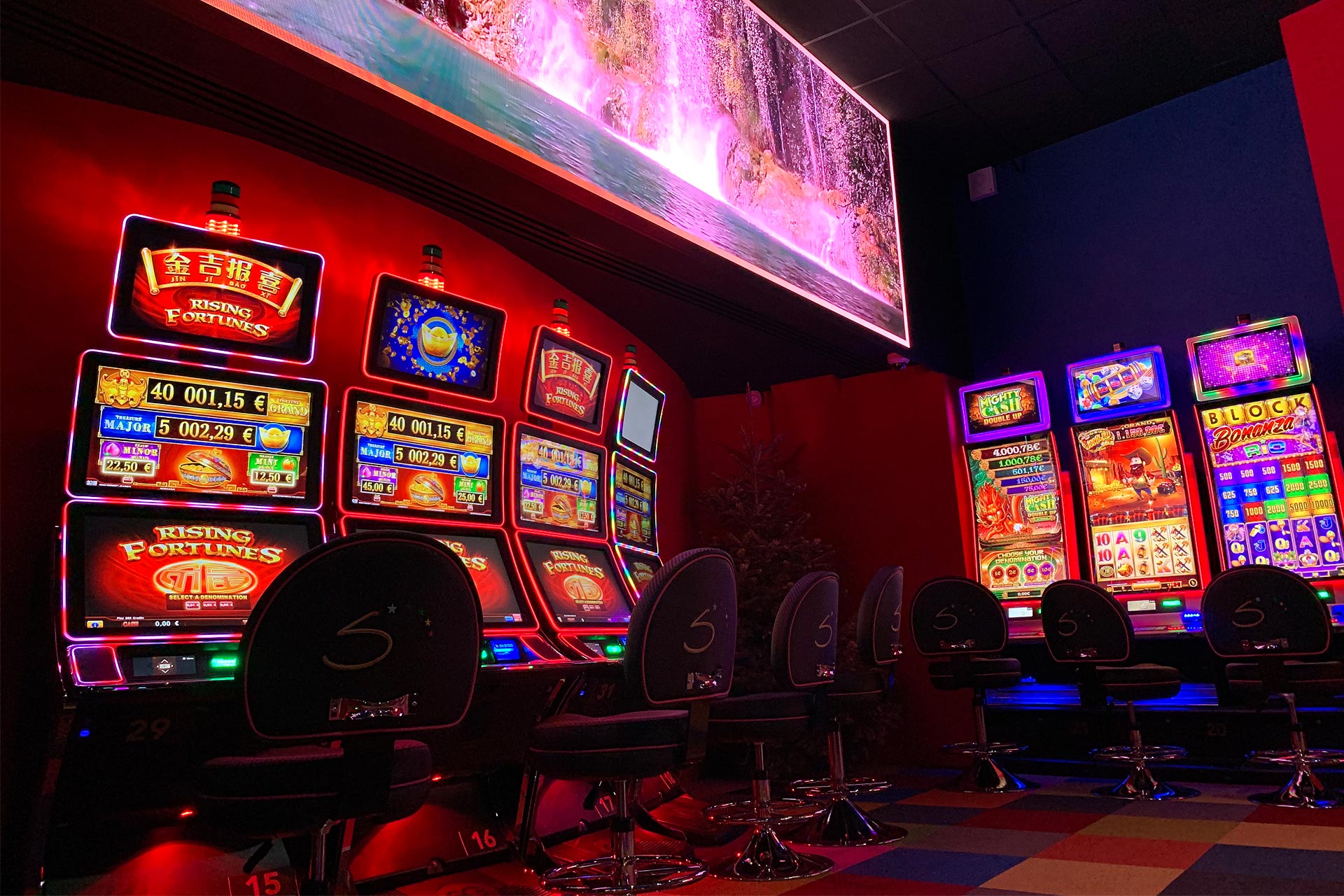
The future of casino gaming is poised to be shaped by advancements in technology and changing consumer preferences. As virtual reality and augmented reality become more mainstream, they are likely to play a significant role in enhancing the gaming experience. Imagine stepping into a virtual casino where you can interact with other players and dealers in a fully immersive environment; this could soon become a reality.
Furthermore, the integration of artificial intelligence and big data analytics in online gaming will allow for more personalized experiences. Casinos can utilize data to tailor game offerings and promotions to individual preferences, enhancing player satisfaction and retention. This focus on customization is expected to redefine how players engage with gaming platforms in the future.
As regulations continue to evolve and new markets open up, the global gambling landscape will also see significant changes. The rise of cryptocurrency as a payment method is already beginning to influence how transactions are conducted in casinos. The potential for decentralized gaming platforms could further disrupt traditional casino models, offering players more choices and control over their gaming experiences.
Luckster Casino epitomizes the modern evolution of gaming, offering an engaging online experience tailored to today’s players. With a diverse selection of slots, table games, and live dealer options, it reflects the transformation of casinos into user-friendly platforms. Players can enjoy generous bonuses and promotions, enhancing their gaming experience while ensuring fairness and security. As online casinos continue to evolve, platforms like Luckster are leading the charge in creating exciting, accessible gaming environments for all. Explore the range of games and join the community today!