
Understanding cultural attitudes toward gambling across different societies
Historical Context of Gambling
The roots of gambling can be traced back thousands of years to ancient civilizations, where it was often intertwined with cultural and religious practices. In many societies, games of chance were not merely forms of entertainment but were seen as ways to communicate with the divine or to determine fate. For instance, ancient Romans used gambling during festivals, viewing it as a means to celebrate and foster community ties. Similarly, in China, the use of dice dates back to the Shang Dynasty, reflecting an early cultural acceptance of chance-based activities. Today, with the rise of online platforms, many players gravitate towards top rated online casinos canada for their gaming experiences.
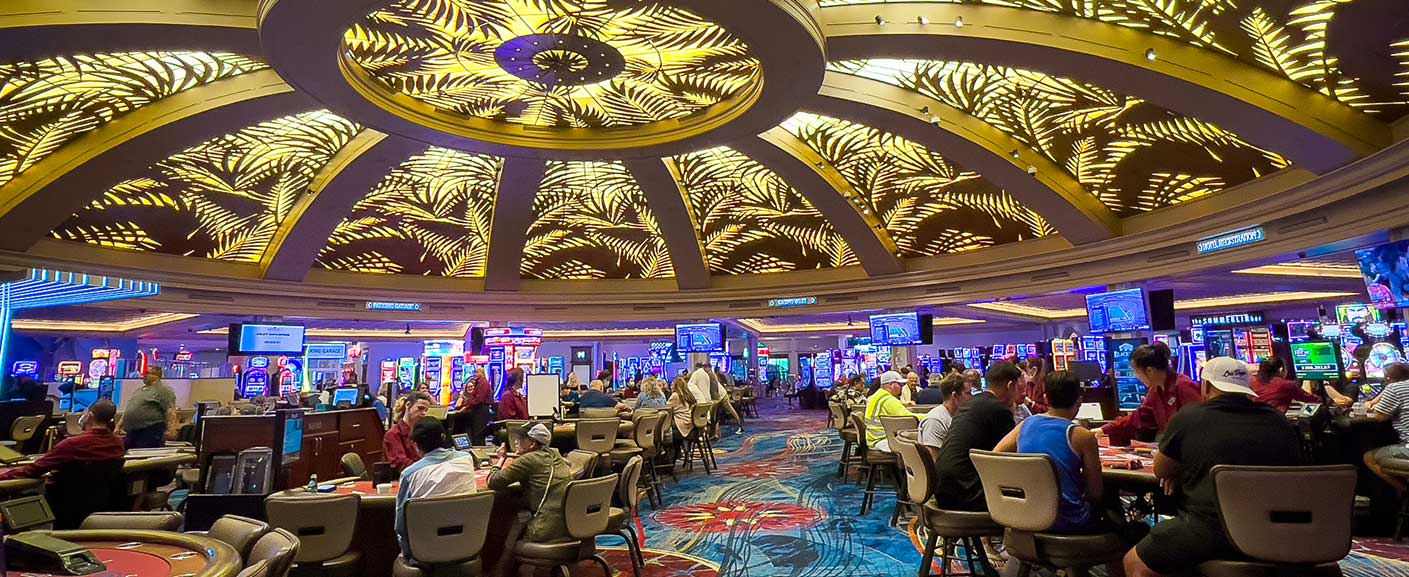
As societies evolved, so did their relationship with gambling. The Middle Ages in Europe saw gambling become associated with vice and moral decay, leading to regulations that limited its practice. This perception persisted for centuries, influencing societal attitudes towards gambling. In contrast, Eastern cultures often viewed gambling as an acceptable form of leisure, with less stigma attached to it compared to their Western counterparts. This historical backdrop provides insight into the varying attitudes toward gambling today.
Understanding these historical contexts is crucial as they lay the foundation for contemporary cultural attitudes. While some societies have embraced gambling as part of their recreational activities, others continue to regard it with suspicion and moral judgment. These differing perspectives influence not only personal attitudes but also governmental policies surrounding gambling, showcasing the intricate relationship between culture and gaming practices.
Religious Influences on Gambling Attitudes
Religious beliefs play a significant role in shaping societal attitudes toward gambling. In many Western cultures, major religions such as Christianity and Islam have historically condemned gambling, associating it with greed and moral corruption. For example, various Christian denominations view gambling as contrary to biblical teachings, while Islamic teachings strictly prohibit games of chance as they can lead to unjust wealth and social inequality. These religious perspectives contribute to the stigma surrounding gambling in many Western and Islamic countries.
Conversely, some religions incorporate gambling into their traditions. For example, certain Hindu festivals feature games of chance as part of the celebrations, indicating a cultural acceptance that contrasts sharply with Western perspectives. This acceptance often reflects broader views on fate and destiny, where gambling is seen as a playful engagement with the uncertainties of life rather than a sinful act. Understanding these religious nuances can help decode the varied attitudes toward gambling across different societies.
The interplay between religion and gambling also extends to legal frameworks in various countries. Nations with strong religious influences often implement stricter gambling laws, reflecting cultural values that prioritize morality and social welfare. In contrast, countries with more secular governance may adopt a more permissive approach, allowing for a robust gambling industry. This complexity illustrates how deeply entrenched religious beliefs can shape not only personal attitudes but also national policies regarding gambling practices.
Social and Economic Factors Affecting Gambling Perceptions
Social structures and economic conditions significantly influence how different cultures perceive gambling. In societies where economic opportunities are limited, gambling can be seen as an escape or a potential source of wealth, leading to a more favorable view of the activity. For instance, in regions facing high unemployment, lotteries and other forms of gambling may be embraced as hopeful avenues for financial gain. This contrasts with affluent societies, where gambling might be viewed as a frivolous pursuit, reserved for entertainment rather than necessity.
Moreover, the social acceptance of gambling can vary widely based on demographic factors such as age, gender, and education. Younger generations often have a more liberal attitude toward gambling, influenced by changing cultural norms and the proliferation of online gambling platforms. In contrast, older generations may hold onto traditional views, seeing gambling as a vice to be avoided. This generational divide can create tensions within societies, as attitudes shift and evolve over time.
Economic factors also play a role in shaping gambling regulations and practices. Countries that view gambling as a significant revenue source may adopt lenient policies, promoting a thriving gambling industry. This can lead to increased social acceptance as gambling becomes normalized and integrated into the fabric of society. Understanding these social and economic dynamics is vital for comprehending the diverse attitudes toward gambling around the world.
Impact of Globalization on Gambling Attitudes
Globalization has had a profound impact on cultural attitudes toward gambling. As societies become more interconnected, they are exposed to different customs and practices, including attitudes toward gambling. This exposure can lead to a shift in perceptions as individuals encounter new perspectives on risk-taking and chance. For instance, the rise of online gambling has made games of chance accessible to a wider audience, potentially normalizing gambling in regions where it was previously stigmatized.
Furthermore, globalization has facilitated the sharing of gambling-related information and practices across borders. This exchange can dilute cultural taboos and foster acceptance, especially among younger generations who are more adaptable to changing norms. In some cases, this has led to the growth of international gambling markets, where diverse attitudes coexist and even blend, creating a unique tapestry of gambling culture.
However, the effects of globalization are not uniformly positive. In areas with strong cultural or religious opposition to gambling, the influx of foreign gambling influences can provoke backlash and reinforce conservative attitudes. This tension illustrates the complexities of globalization, where increased exposure can either foster acceptance or exacerbate societal divisions over gambling. Understanding these dynamics is essential for navigating the future of gambling across diverse cultures.

Website Insights and Future Directions
The website in question serves as a platform for exploring various cultural attitudes towards gambling, providing valuable insights into the intricate interplay of history, religion, society, and globalization. By offering a space for discussion and analysis, it aims to foster a deeper understanding of how gambling is perceived across different cultures. The content encourages readers to reflect on their own beliefs and assumptions about gambling, promoting a more nuanced conversation surrounding this multifaceted topic.
Furthermore, the website highlights the evolving landscape of gambling in the context of modern society. As attitudes shift and new regulations emerge, it underscores the importance of remaining informed about global trends and cultural differences. This knowledge can empower individuals to make informed decisions about gambling, whether for leisure or as part of a broader social experience.
In conclusion, the website serves as a vital resource for those interested in the cultural complexities of gambling. It encourages ongoing engagement with the topic, fostering a community of individuals who are keen to understand the diverse perspectives that shape attitudes toward gambling across different societies. As we move forward, continued exploration of these themes will be essential in navigating the future of gambling in our increasingly interconnected world.