
Exploring global views on gambling a cultural journey through risk and reward
The Historical Context of Gambling
The practice of gambling can be traced back thousands of years, with evidence found in ancient China, Rome, and Egypt. In these early societies, games of chance were often used as a form of entertainment but also served as a means for decision-making and divination. For instance, ancient Chinese rulers would cast lots to determine the outcomes of significant events, illustrating how gambling was intertwined with cultural beliefs. This historical context sets the stage for understanding how gambling has evolved across different societies. Today, players often seek platforms that promise an instant payout casino, reflecting contemporary preferences for quick access to winnings.
As civilizations progressed, the perception of gambling began to shift. In medieval Europe, gambling was often associated with the nobility, while peasants faced strict penalties for participation in similar activities. This disparity created a social divide, where gambling was viewed as both a leisure activity and a moral failing, depending on one’s social class. Such historical nuances reveal that the cultural views on gambling have been shaped by factors including class, power dynamics, and local beliefs.
The advent of the modern era saw the commercialization of gambling, with establishments like casinos springing up in cities worldwide. This transition reflected a broader societal acceptance of gambling as a legitimate form of entertainment. As technology progressed, online gambling emerged, allowing individuals to engage in wagering without geographical limitations. This shift not only transformed the gambling landscape but also influenced cultural attitudes toward risk and reward, creating a fascinating dynamic that varies significantly around the globe.
Cultural Attitudes Towards Gambling
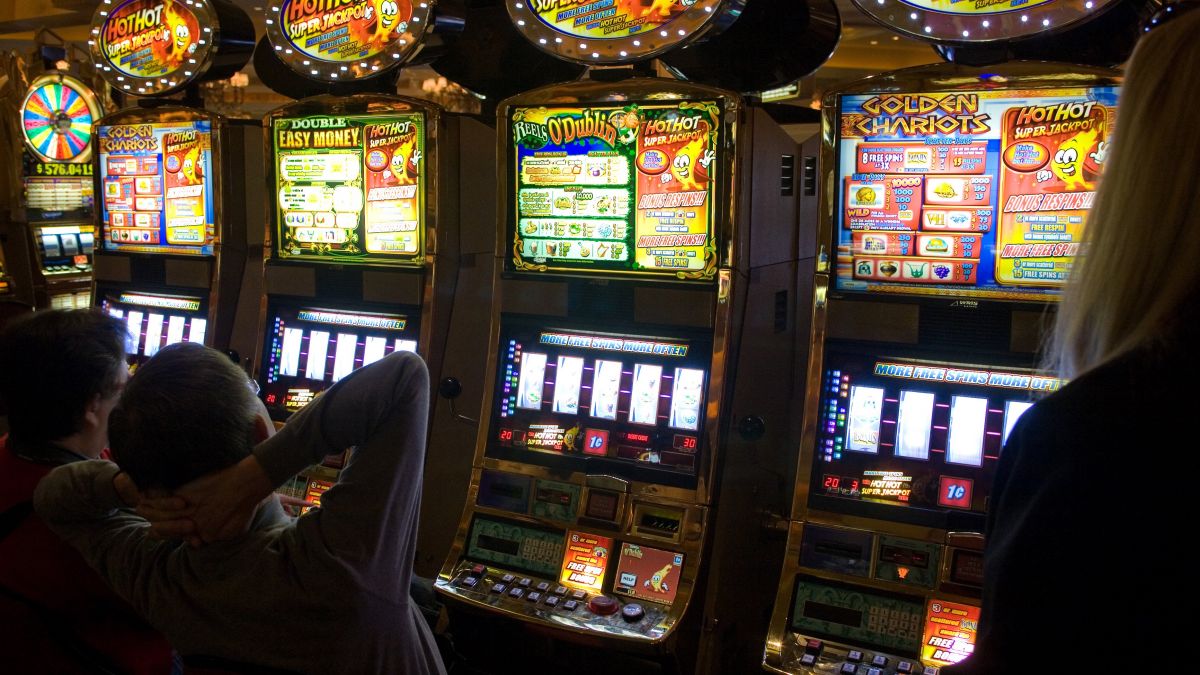
Cultural perceptions of gambling often dictate how societies regulate and engage with the activity. In countries such as Japan, gambling is deeply embedded in cultural practices like traditional festivals, yet it is heavily regulated, primarily confined to specific games. Pachinko, a popular mechanical game, exemplifies a unique blend of entertainment and gambling that resonates with the Japanese ethos. In contrast, countries like Las Vegas, known for their exuberant casinos, promote gambling as a cornerstone of their tourism industry, showcasing an entirely different cultural acceptance.
In many Western cultures, gambling is often linked to notions of freedom and personal choice. The idea that individuals have the right to determine how to spend their money is a prevalent theme. This perspective is not universal; in several Middle Eastern nations, gambling is seen through a more critical lens, often associated with moral and religious prohibitions. Such differences highlight how gambling serves as a cultural mirror, reflecting broader societal values and norms.
The shifting landscape of gambling attitudes can also be observed in the increasing focus on responsible gaming. As awareness about problem gambling rises, many societies are attempting to strike a balance between enjoyment and risk. Campaigns promoting responsible gambling are becoming more common, aiming to educate individuals about the potential dangers of excessive gambling. This evolving dialogue is crucial, as it influences future policies and societal norms surrounding gambling across various cultures.
The Psychology of Gambling
The psychology behind gambling is a complex interplay of thrill, risk, and reward. For many, the excitement of placing a bet or spinning a slot machine triggers the release of dopamine, a neurotransmitter associated with pleasure. This biochemical reaction can create a compelling urge to gamble, often blurring the lines between rational decision-making and impulse. Understanding this psychological aspect is essential for both players and regulators as it helps explain why gambling can become addictive.
Moreover, cognitive biases play a significant role in how individuals perceive their gambling experiences. The illusion of control, for example, leads players to believe they can influence outcomes in games of chance. This misconception can exacerbate gambling behaviors, making it challenging for individuals to recognize when they are at risk. By exploring these psychological factors, we gain insight into the motivations that drive people to gamble and the potential consequences of their actions.
Furthermore, the social dynamics of gambling can enhance its appeal. Many individuals are drawn to casinos and betting venues not just for the chance to win money but for the communal experience. The atmosphere of excitement, camaraderie, and shared risk can create a sense of belonging, particularly in cultures where gambling is socially accepted. This connection between socialization and gambling underlines the importance of considering both individual psychology and cultural context when exploring global gambling behaviors.
The Economic Impact of Gambling
The economic implications of gambling are significant, as it generates substantial revenue for governments and local economies. Legalized gambling can provide funding for public services, education, and infrastructure. For instance, states in the United States that have embraced casino gaming often report increased tax revenues that can be allocated to community projects and welfare programs. This economic benefit presents a compelling argument for the legalization and regulation of gambling in various regions.
However, the economic model of gambling is not without its challenges. Critics argue that reliance on gambling revenues can lead to ethical dilemmas and social costs. Problem gambling can create financial strain on individuals and families, often resulting in greater societal expenses for health care and social services. Thus, while the economic benefits can be enticing, they must be weighed against the potential downsides that accompany gambling proliferation.
In many regions, the economic benefits of gambling are also intertwined with tourism. Destinations known for their casinos attract millions of visitors each year, bolstering local economies. This tourism can stimulate job growth in hospitality and entertainment sectors, creating a symbiotic relationship between gambling and economic development. Understanding these economic dimensions is crucial for policymakers when considering gambling legislation and regulation.

Responsible Gambling and Community Engagement
As the global conversation surrounding gambling evolves, the emphasis on responsible gambling practices has gained momentum. Many jurisdictions are implementing programs aimed at educating players about the risks and promoting safe gambling habits. These initiatives often include self-exclusion options and resources for those seeking help with gambling addiction. By fostering a culture of responsibility, communities can work towards minimizing the negative impacts of gambling while still enjoying its entertainment value.
Community engagement also plays a pivotal role in the realm of responsible gambling. Local organizations often collaborate with gambling operators to raise awareness about problem gambling and provide support services. These partnerships can facilitate open dialogues about the risks associated with gambling, helping individuals make informed decisions. Engaging communities in this way not only strengthens social bonds but also promotes a collective responsibility for maintaining a healthy gambling environment.
Moreover, technology is reshaping how responsible gambling initiatives are implemented. With the rise of online gaming, operators are increasingly adopting tools that encourage responsible play. Features like spending limits, alerts for extended gaming sessions, and access to educational materials empower players to manage their gambling habits better. By integrating technology with responsible gaming practices, operators can foster a safer and more enjoyable gambling experience.